



Winter is around the corner, and dropping temperatures can cause problems for the unprepared. Frozen pipes, burst fittings, and leaking tanks can cause significant damage, particularly at a remote site with infrequent visits or difficult access. In an industrial setting, the damage can go far beyond water damage: a chemical spill is a safety and environmental hazard, and cleanup is much harder in winter conditions.
Level and pressure instrumentation play a critical role in catching a problem early. Sensors provide valuable data, allowing you to monitor levels and pressures in tanks and pipes, so you know if something is going wrong. Ice and freezing temperatures can also damage level and pressure measurement instruments. It’s important to include instrumentation maintenance in your winterizing procedures so you can rely on the information to be accurate.
At Automation Products Group, Inc. (APG), we’ve compiled four tips to help protect your pipes, tanks, and instrumentation, and keep your operation running smoothly throughout the season.
1. Protect Your Pipes and Tanks
The first step in winterizing your operation is to identify the areas that are most prone to freezing. The most common culprit is pipes, which can burst from pressure due to ice buildup. It is important to systematically review all pipes, especially infrequently used pipes, to address freezing hazards before the temperatures drop. Ensure pipes and other risky sections have sufficient insulation and heating to withstand freezing temperatures.
Blocked pipes can also cause problems, so regular inspection can help identify and correct blockage before they become bigger issues. Examine piping systems that have dead legs (sections with no flow) and ensure they’re properly removed, isolated, or winterized as needed.
Another area at risk of ice damage is tanks, particularly outdoor or exposed tanks. Inspect the tank walls, fittings, and seams, as well as any flanges, pumps, and pipe connections to make sure everything is in good condition. Protect your tanks from freezing with insulating wraps or heating elements. If the tank is not going to be used over the winter, empty it completely.
2. Protect Your Sensors
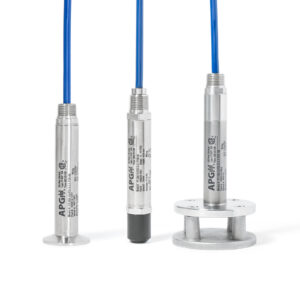
Submersible pressure transducers, like our PT-500, are not designed to provide accurate measurements when the liquid in a tank freezes. Additionally, water expands as it freezes, which can put excess pressure on the sensor’s diaphragm and potentially cause permanent damage. By keeping your tanks insulated and protected from freezing, the sensor can continue monitoring the liquid level inside. If you know the liquid inside the tank will freeze, remove the pressure sensor before the temperatures drop and consider using a non-contact level sensor during the cold months.
Non-contact sensors eliminate the risk of being submerged in freezing liquids, but they still need protection from harsh winter conditions. Place a protective box around your outdoor ultrasonic and radar sensors. This protects the sensor from ice forming around it and shields it from heavy snow buildup. Confirm that cable glands and connections are intact to keep moisture out. Exposed cables should include a drip loop to keep water from flowing toward the sensor.
APG’s sensors are built for rugged conditions, but even the toughest sensors need a little protection from the elements. Make sure to check your sensor’s datasheet for temperature ratings and temperature compensation range. As temperatures drop, you may want to recalibrate your ultrasonic sensors for the season.
3. Set Up Remote Monitoring and Alarms
Even well-prepared sites can have problems, so it’s important to know quickly when something goes wrong. That’s why you have sensors in the first place — to know what is happening inside your tanks. Connecting those sensors to remote monitoring and alarms is a simple way to take full advantage of that knowledge.
Remote monitoring doesn’t have to mean replacing your existing equipment. APG’s Settler offers remote monitoring for Modbus or 4-20mA output sensors. It works anywhere with internet or cell service and sends the data to the web-based Explorer so you can check on those remote sites any time. Explorer includes several helpful alarm options, including high and low level and abrupt change alarms. It also includes a disconnect alarm that informs you when the Settler device loses power or connection, which may indicate larger problems at the site.
Properly configured sensors, controllers, alarms, and relays can provide early warnings when pipe pressure increases or tank levels change unexpectedly. Some sensors and controllers feature relays that can be connected to automatically turn on/off pumps, lights, or audible alarms. Remote monitoring allows you to keep an eye on tank levels, temperature, pipe pressure, and other measurements without needing to make a site visit.
4. Keep It Routine
Implement a winterization checklist to follow every year. This will help ensure that the plant is regularly prepared for cold weather. Establishing a formal, written freeze protection program and implementing it annually will help prevent lapses in maintenance over time.
Consider adding these to your checklist:
- Inspect pipes, dead legs, and check for blockages
- Inspect tank walls, fittings, seams, flanges, pumps, and pipe connections
- Verify tanks and pipes are properly insulated and heated
- Drain tanks and pipes that won’t be used in the cold season
- Protect outdoor sensors from ice and snow buildup
- Inspect cable glands, seals, and cable drip loops
- Remove submersible sensors from tanks that are likely to freeze
- Recalibrate temperature-sensitive sensors like ultrasonics
- Set up and verify alarms and remote monitoring
Final Thoughts
A little preparation before the cold sets in can save a lot of time and money later in the season. Take some time to inspect your pipes and tanks, install proper insulation and heating, protect your instrumentation, and set up remote monitoring and alarms. Even if your climate rarely sees freezing weather, taking these simple steps can help you avoid costly damage if there is an unexpected cold snap.
Not sure what sensors are best for your cold-weather application? Need help with sensor calibration or maintenance? Contact our measurement experts.