


Case Studies
Wastewater Management in National Parks
Most visitors to national parks never see the infrastructure required to keep those environments clean and operational. Behind the scenes, wastewater systems play a critical role in protecting natural resources and supporting park facilities. At one nearby national park, wastewater was collected in a lift station and transferred through a sewer line to a municipal treatment plant, creating significant operational costs for the park each year—nearly half a million dollars.
In June 2022, a catastrophic, 500-year flood event occurred. The flood caused severe environmental damage, wiped out roads, and destroyed the sewer line; crippling the park’s ability to dispose of their wastewater. The hotel and other businesses that were served by this wastewater system were forced to close until a solution could be put in place.
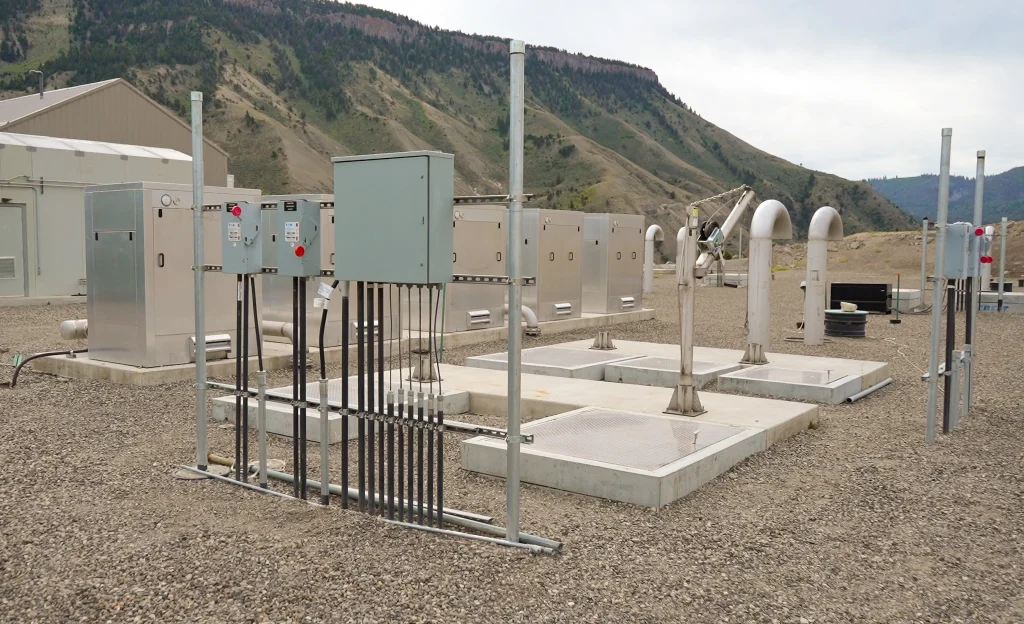
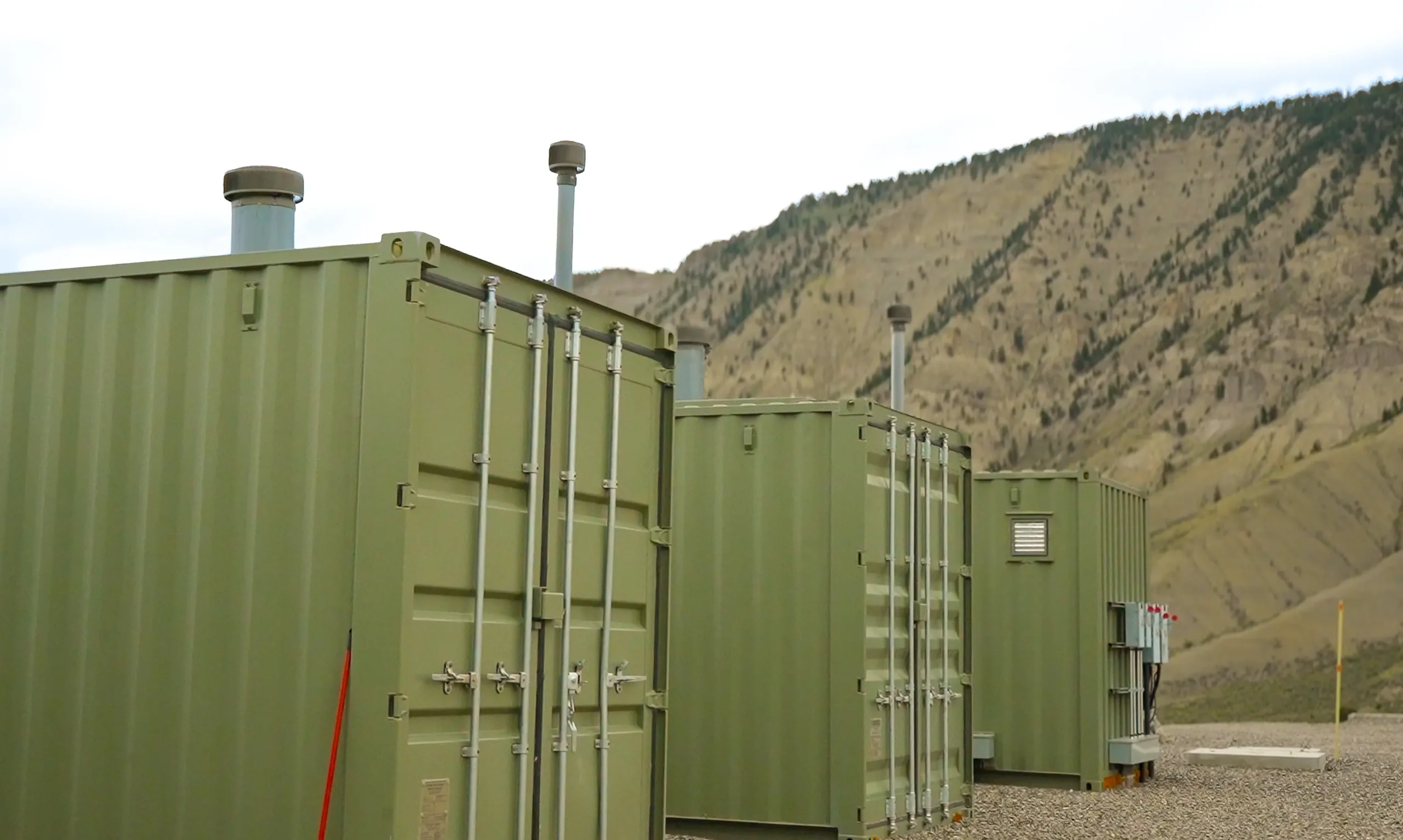
This crisis prompted the park to quickly develop a solution that was effective and cost-efficient to monitor both clean and dirty water. A new, temporary system was designed using shipping containers to house a membrane bioreactor (MBR). Inside three of these shipping containers, the wastewater is processed, and a fourth holds the computer, controls, and chemicals.
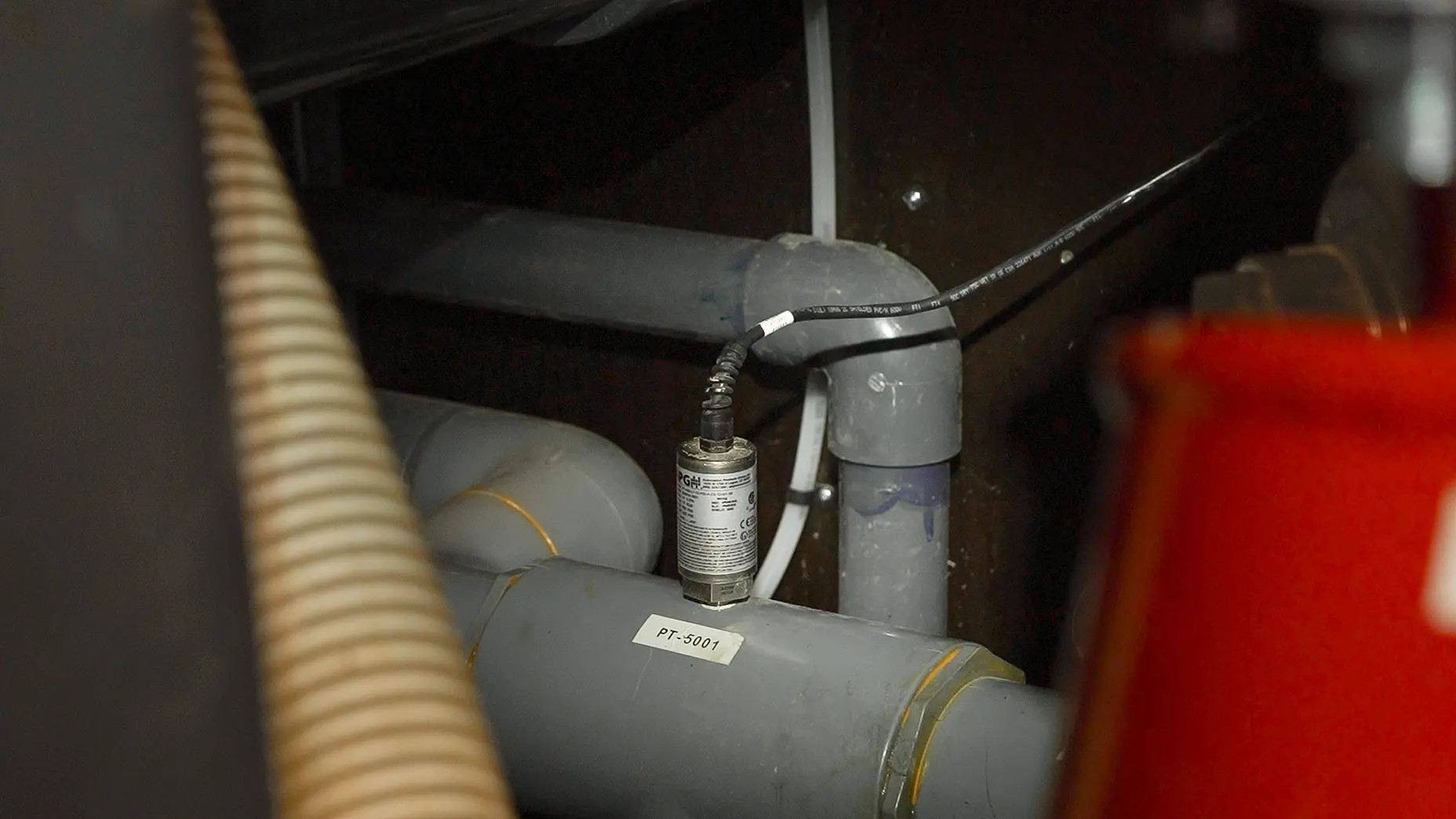
Raw sewage and wastewater flow through a series of underground concrete tanks and solids get broken down into sludge. The park implemented APG PT-500 submersible pressure sensors sit at the bottom of these tanks to monitor liquid levels. PT-500s are built for tough applications and feature protective cages and rugged transducer faces designed to withstand harsh media and debris. The information these sensors collect is used to activate blower fans and turn pumps on and off to keep the wastewater moving.
The sludge from the underground tank farm is pumped into dumpsters specially fitted with drains and filters. The solid material is collected in a bag and driven to a landfill outside the park for disposal. The water is sent to the MBR inside the shipping containers for further treatment.
Inside the MBR, APG PT-400 pressure sensors are used to measure constant air pressure. The MBR uses air to prevent solids from building up on the filter plates, so maintaining the correct air pressure is critical. APG’s PT-400 is well suited for the task, as its rugged design and small size allow it to measure pressure even in tough environments.
The newly processed water from the MBR is sent to percolation ponds to evaporate or seep into the ground. The treated water is safely processed with no harsh chemicals remaining from the treatment process. In this way, clean water is returned to the national park ecosystem for future visitors to enjoy.
The MBR can process up to 300,000 gallons of waste in a day. The whole system has a small footprint, and the national park is considering permanently incorporating this technology in other high-use areas of the park.
Wastewater technicians at the national park know they can rely on APG sensors to maintain accurate visibility into critical infrastructure conditions. The new system has also helped the park significantly reduce operational costs compared to its previous wastewater disposal approach. Built for demanding environments, APG sensors are known for long service life even in harsh, remote applications. APG also provides strong customer support and recalibration services, ensuring continued reliability over time. Whether in a remote national park or a large urban treatment facility, APG delivers sensing solutions designed to perform where it matters most.
Want to be part of our next case study? Fill out this form to get in touch.
WRITTEN BY

Gordon G.
Gordon is an Applications Engineer who supports both Sales and customers with expert technical guidance. His favorite part of the job? Working with great people. He builds relationships on trust and honesty and knows APG delivers solutions worldwide. Outside the office, his adventurous side once took him canoeing down the Colorado River.
EDITOR

Nicole K.
Nicole King-Brown is APG’s Engineering Technical Writer. She is a Utah State University alum with a background in scientific communication. She works closely with APG’s engineers as they develop new products.